
Tips for Creating a Relaxing Home Workspace to Boost Productivity
Creating a relaxing home workspace is essential for anyone looking to boost productivity and maintain a healthy work-life balance. When your work environment feels calm and comfortable, it’s easier to focus, minimize stress, and maintain motivation throughout the day. Whether you work remotely full-time or just occasionally from home, these practical tips will help you design a space that supports your best work.
Choose the Right Location
Selecting an ideal spot for your workspace sets the foundation for a productive day. Aim for a quiet, low-traffic area in your home where you won’t be easily distracted. If possible, pick a space with natural light, as it can lift your mood and reduce eye strain.
Avoid working from places associated with relaxation, like your bed or couch, since they can blur the lines between worktime and downtime. A dedicated desk or table helps create a mental separation between professional tasks and leisure.
Keep Your Workspace Organized
Clutter can increase stress and decrease focus. Maintain a tidy workspace by only keeping essential items within reach. Use organizers such as trays, drawers, or file holders to sort papers and supplies.
Take a few minutes at the end of each day to clear your desk. This habit helps you start fresh in the morning and reduces distractions, allowing you to focus on your tasks more effectively.
Invest in Comfortable Furniture
Comfortable furniture is crucial when you spend long hours working. Choose an ergonomic chair that provides good back support and allows you to sit upright without strain. Pair it with a desk at the right height to keep your wrists straight when typing.
Using a sit-stand desk is another option to switch positions throughout the day, promoting better circulation and reducing fatigue. Don’t forget to position your monitor or laptop screen at eye level to avoid neck and eye strain.
Personalize Your Space
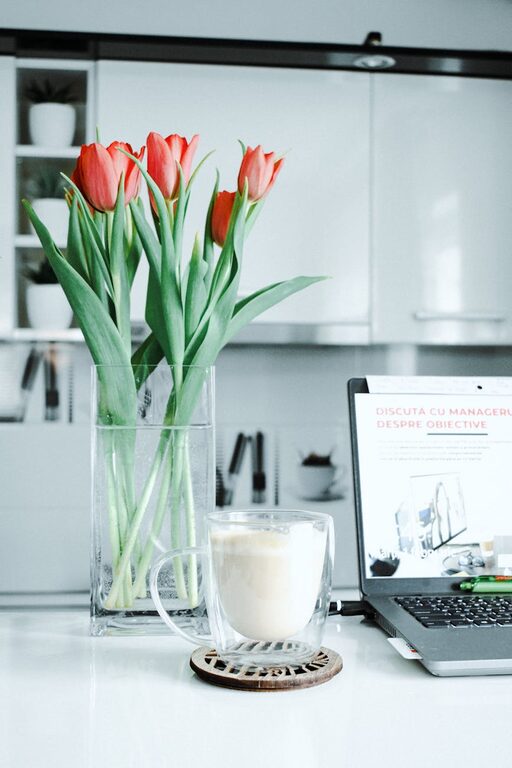
Adding personal touches to your workspace can make it feel more inviting and help reduce stress. Consider including plants, artwork, or photographs that inspire you. Plants not only brighten the area but also improve air quality, promoting a sense of calm.
Use colors you find soothing—soft blues, greens, or neutrals often work well. However, avoid overly bright or distracting patterns that may disrupt your focus.
Manage Lighting Thoughtfully
Good lighting is essential for productivity and comfort. Natural light is the best option whenever possible, so position your desk near a window. If natural light is limited, use a quality desk lamp with adjustable brightness and color temperature.
Avoid harsh overhead lighting that can cause glare or headaches. Aim for balanced, soft lighting that minimizes eye strain and creates a welcoming atmosphere.
Minimize Noise and Distractions
Noise can quickly undermine concentration. If your home is noisy, consider noise-canceling headphones or playing soft instrumental music to block distractions.
You can also use white noise machines or apps to mask background sounds. Make sure to communicate your work schedule with household members so they can respect your focused time.
Incorporate Break Areas
It’s important to take breaks to recharge. If space allows, set up a small, separate area where you can step away from your desk to rest or stretch.
Even a cozy chair or corner for relaxing with a book or doing light stretches can help clear your mind and reduce stress, ultimately improving your productivity when you return to work.
Establish Clear Boundaries
Working from home can blur the line between work and personal life. Setting clear boundaries helps you stay productive and maintain balance.
Use schedules and reminders to signal start and end times for your workday. Communicate these boundaries with family or roommates to minimize interruptions during work hours.
Keep Technology Organized and Updated
A tangled mess of cables and outdated equipment can add unnecessary stress. Use cable organizers to keep cords neat and out of the way.
Regularly update your computer software and hardware to ensure everything runs smoothly. Slow or unreliable technology can break your focus and reduce efficiency.
Add Relaxation Elements
Small elements that promote relaxation can enhance your workspace. Consider aromatherapy with essential oils like lavender or eucalyptus, which some find soothing.
Keep a stress ball, fidget toy, or a small mindfulness toolkit close by to help manage moments of tension or anxiety during the day.
—
By creating a thoughtful and relaxing home workspace, you set yourself up for greater productivity and well-being. Take time to personalize your area and make adjustments as needed. When your environment supports your focus and comfort, your workday becomes not only more efficient but also more enjoyable.
