
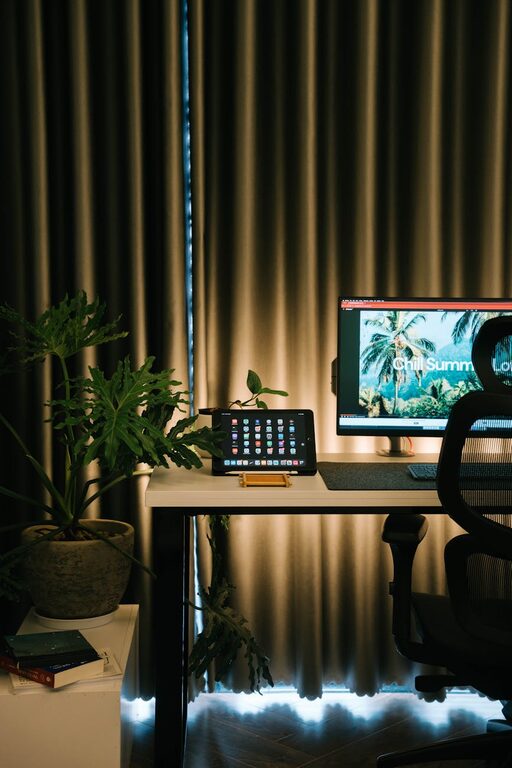
Tips for Creating a Relaxing Home Office Environment
Creating a relaxing home office environment is essential for staying productive and maintaining well-being during long work hours. When your workspace feels calm and inviting, it can help reduce stress and increase focus. Whether you’re setting up a new office or refreshing your current one, these practical tips will guide you in designing a space that supports comfort, organization, and creativity.
Choose the Right Location
Finding the perfect spot for your home office is the first step. Ideally, select a quiet area away from household distractions, such as a spare room, a corner of a bedroom, or even a section of your living room.
– Natural light: Aim for a spot near windows to take advantage of natural daylight. Sunlight improves mood and cuts down on eye strain.
– Privacy: Choose a location with minimal foot traffic to minimize interruptions.
– Space: Make sure the space is large enough for your desk and needed equipment, yet cozy enough to feel inviting.
Invest in Comfortable Furniture
Comfort is key when you spend hours at your desk. Ergonomic furniture helps reduce discomfort and promotes good posture.
– Ergonomic chair: Look for adjustable chairs that support your lower back and allow your feet to rest flat on the floor.
– Desk height: Use a desk at a comfortable height or an adjustable one to alternate between sitting and standing.
– Footrest and accessories: Consider a footrest or wrist support to further improve comfort during long work sessions.
Create a Calming Color Scheme
Colors impact mood and productivity, so choose soothing tones that promote relaxation and concentration.
– Soft neutrals: Shades like beige, soft gray, or pale blue offer a serene backdrop.
– Accent colors: Add pops of calming colors such as green or lavender through decor, curtains, or office accessories.
– Avoid harsh contrasts: Bright, overwhelming colors might increase anxiety and distraction.
Declutter and Organize
A tidy workspace helps clear your mind and stay focused. Maintaining organization reduces stress caused by clutter.
– Storage solutions: Use shelves, drawers, or filing cabinets to keep papers, supplies, and tech organized.
– Minimal desktop: Keep only the essentials on your desk — a computer, notebook, and a lamp.
– Daily tidying: Take a few minutes at the end of each workday to tidy your space.
Incorporate Elements of Nature
Natural elements have been shown to help reduce stress and improve mood.
– Houseplants: Include low-maintenance plants like succulents, spider plants, or pothos. They clean the air and add a touch of greenery.
– Natural materials: Wood or bamboo desks, corkboards, or woven baskets create a warm, organic feel.
– Natural light: As mentioned earlier, maximize daylight exposure for a healthier atmosphere.
Manage Lighting Effectively
Good lighting reduces eye strain and keeps energy levels steady.
– Layer lighting: Combine ambient (ceiling lights), task (desk lamps), and accent lighting for flexibility.
– Adjust brightness: Use dimmable lamps or smart bulbs to set lighting to your comfort level.
– Screen glare: Position your computer to avoid glare from windows or lamps.
Add Personal Touches
Making your office uniquely yours contributes to a positive, relaxed mindset.
– Inspirational items: Hang motivating art, quotes, or photos that encourage productivity.
– Comfort items: A cozy throw blanket, scented candle, or soft rug can make the space feel inviting.
– Customize tools: Use colorful organizers, fun stationery, or a unique mousepad to express your style.
Create Zones for Different Tasks
If space allows, separate areas can help you switch between work modes and stay organized.
– Work zone: Your desk and computer setup for focused tasks.
– Reading area: A comfy chair or small sofa for reviewing documents or taking breaks.
– Storage zone: Shelves or cabinets for supplies and files.
Minimize Noise Distractions
Noise can significantly disrupt concentration. Managing sound improves your ability to focus.
– Headphones: Use noise-cancelling headphones or earbuds to block out background sounds.
– Soundproofing: Consider rugs, curtains, and soft furnishings to absorb noise.
– White noise: A small fan or white noise machine can create a steady sound environment that helps drown out distractions.
Take Regular Breaks and Move
Even the most relaxing office can’t replace the benefits of moving regularly.
– Stretching: Keep your body loose with simple stretches every hour.
– Walk breaks: Step outside or move around the house to refresh your mind.
– Hydration: Keep water close by to stay hydrated and alert.
Conclusion
Designing a relaxing home office environment enhances both your productivity and your mental well-being. By carefully selecting your space, furniture, colors, and decor, you can create a workspace that feels calm, comfortable, and inspiring. With attention to lighting, noise control, and organization, your home office becomes a place you look forward to working in every day. Try incorporating these tips gradually and adapt them to suit your personal style and needs for the best results.
